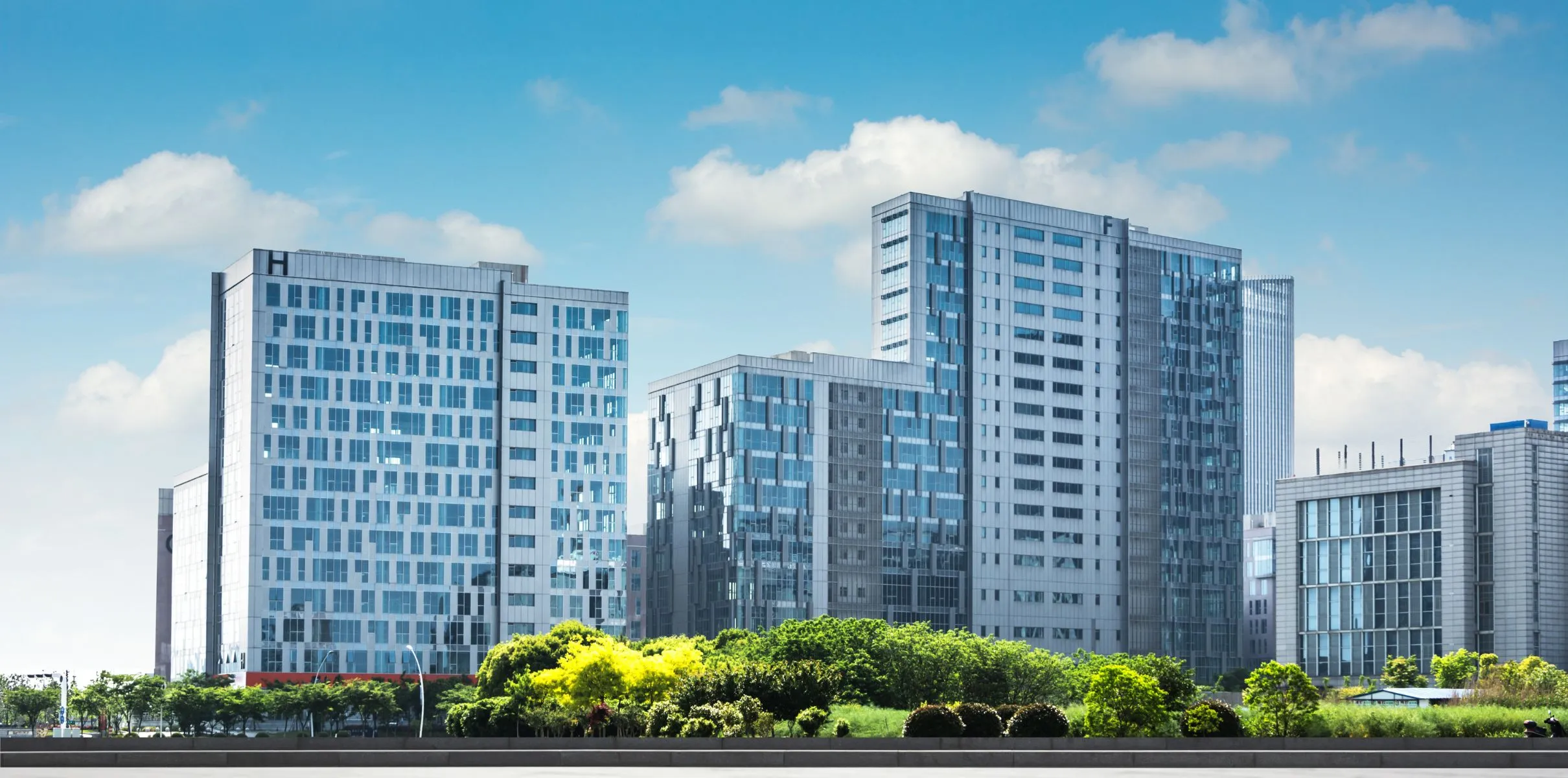


From Option to Obvious: Breaking Down Noida’s Market Surge

If you track where businesses are actually moving, not just where they say they might, Noida starts appearing again and again. Not as a backup option, not as a compromise, but as a deliberate choice. That shift didn’t come from hype. It came from a combination of factors that, over time, made operations here simpler, more predictable, and more efficient.
The first thing that stands out is how easy it is to function here on a daily basis. Roads are wider, layouts are more structured, and movement feels less restricted compared to older commercial zones. This might sound like a basic advantage, but over time, it directly impacts productivity. When teams don’t spend excessive time navigating traffic or dealing with congestion, workdays begin and end more smoothly.
Connectivity has played a major role in strengthening this advantage. The Noida Expressway, in particular, has turned into a dependable business corridor. It’s not just about speed, it’s about consistency. Companies value routes that don’t fluctuate unpredictably, because that stability reflects in attendance, client meetings, and overall workflow. A location that people can reach without second-guessing automatically becomes more viable.
Another factor that quietly supports commercial growth here is the surrounding residential development. Offices need people around them, not just employees, but customers, service providers, and support systems. Noida has developed this balance well. As residential sectors expand, they bring with them a steady flow of activity that sustains nearby commercial spaces.
Affordability also contributes, but not in a simplistic way. It’s not just about lower prices, it’s about what you get for that price. Businesses can secure larger, more functional spaces without compromising on quality. That allows companies to scale without immediately outgrowing their environment, which is something many older commercial hubs struggle with.
The way commercial projects are being designed has also evolved. Instead of isolated office towers, there’s a visible shift toward mixed-use developments. Offices, retail spaces, and leisure zones are being integrated into a single environment. This creates a space that doesn’t shut down after office hours. It stays active, which indirectly benefits every business operating within it. Developers like Group 108 are aligning with this approach, focusing on functionality rather than just structure.
There’s also been a change in the kind of businesses choosing Noida. Earlier, it was mostly smaller setups or companies looking for cost advantages. Now, larger organizations and established brands are entering the same space. That shift improves the overall ecosystem. When stronger businesses operate in a region, they bring stability, better infrastructure demands, and higher standards.
Perception has followed this change. Noida is no longer seen as an alternative—it’s increasingly being viewed as a primary choice. This matters more than it seems. Once a location crosses that threshold, decision-making becomes faster. Businesses don’t need convincing; they already see the value.
Future development adds another layer of confidence. Ongoing infrastructure projects, improved connectivity, and planned expansions indicate that the current growth isn’t temporary. It’s part of a longer trajectory. Investors and businesses both look for this kind of continuity because it reduces uncertainty.
What makes Noida particularly effective is that it doesn’t rely on a single advantage. It’s not just connectivity, or pricing, or infrastructure, it’s the combination of all three, working together without friction. That balance is difficult to achieve, but once it’s in place, it becomes self-sustaining.
Over time, this creates a cycle. Better infrastructure attracts better businesses. Better businesses increase demand. Increased demand leads to more development. And the cycle continues.
That’s where Noida stands today.
Not at the beginning of growth, and not at its peak either, but in that phase where everything is aligning just right. And for commercial real estate, that’s exactly where you want to be.
And when a city reaches that point, where things don’t feel forced anymore—you start noticing which developers are actually building with that momentum, not just around it. That’s where Group 108 naturally fits in. Their developments don’t feel disconnected from what Noida is becoming; they feel in sync with it. The locations, the planning, even the mix of spaces, it all reflects how businesses are already operating, not how they might someday. And that’s what makes the difference. You’re not stepping into uncertainty, you’re stepping into something that’s already moving, already working, already making sense.