

The Intelligent Hunt Finding the Right Property Without Overpaying
The search for the "right" property at the "right" price is often a journey of navigating illusions. In a market as dynamic as Noida’s, "cheap" can be very expensive, and "premium" can often be the best bargain you ever find. To find real value, an investor must look past the price tag and analyze the "Future Utility" of the asset.
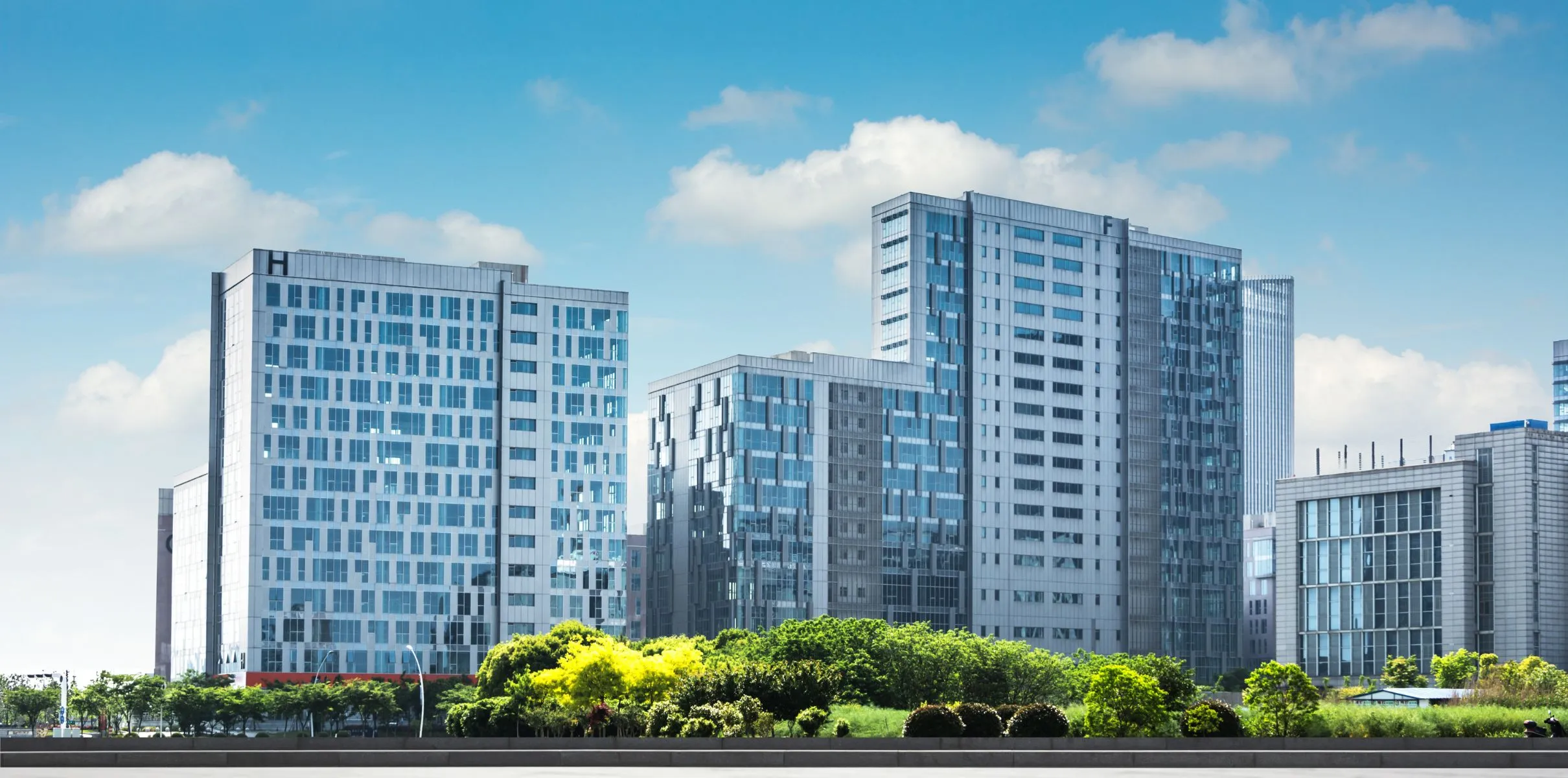
The Theory of the Growth Corridor The "right price" is never a static number; it is a function of time and infrastructure. A property in a fully developed sector might seem like a safe bet, but its price has already peaked. Real value is found in the "Growth Corridors"—areas where the government is currently pouring money into expressways, metro stations, and data centers. By following the lead of developers like Group 108, who strategically position their projects in these emerging hubs, you are essentially buying a "future price" at "today’s rates."
Efficiency Over Gross Area One of the most common traps for investors is the "Price per Square Foot" trap. Not all square feet are created equal. You must look at the "Efficiency Ratio" or the "Loading Factor." A property that is priced 15% lower might have 30% more "dead space" (common areas, thick walls, and inefficient corners). At Group 108, the focus is on "High-Efficiency Floor Plates." This means you pay for space that you can actually use to generate revenue. When you calculate the price based on usable area, the more "expensive" project often turns out to be the more economical choice.
The Risk-Adjusted Cost When evaluating price, you must factor in the "Cost of Delay." A project that is 20% cheaper but delivered three years late is actually significantly more expensive when you account for lost rental income and the interest on your capital. The "right price" includes a "Certainty Premium." Paying a bit more to a developer with a proven track record of timely delivery is actually a form of insurance. It guarantees that your revenue clock starts ticking on the date you planned.
The Ecosystem Value Finally, the "right property" is one that exists within a thriving ecosystem. A standalone office building in a remote area is a liability. A workspace at One FNG or a retail unit at Grandthum, surrounded by luxury residential complexes, schools, and transit hubs, has an "Ecosystem Value" that far exceeds its physical cost. You are buying the footfall, the security, and the prestige of the neighborhood. That is the true definition of a "Great Value" investment.
The Discipline of Price Discovery
Finding the right property at the right price is not an act of comparison—it is an act of diagnosis. Savvy investors treat real estate pricing like balance sheets: they read between the numbers. This involves studying not just what is being offered, but why it is being offered at a certain price point. Developers with long-term intent price assets based on lifecycle value, not momentary absorption. This is where Group 108 quietly differentiates itself—pricing is anchored in fundamentals such as infrastructure maturity, tenant appetite, and future demand elasticity rather than short-lived incentives.
Understanding Price as a Strategic Signal
An unusually low price often signals compressed margins, execution risk, or compromised specifications. Conversely, a rationally premium price can indicate robust construction standards, superior planning, and delivery confidence. Intelligent investors learn to decode pricing as a signal, not an attraction. At growth-stage hubs, pricing that reflects upcoming connectivity, zoning evolution, and commercial densification is often the most honest indicator of future upside. The right price, therefore, is one that aligns with project intent, not just market noise.
Liquidity, Exit, and Repricing Power
Another critical dimension is exit liquidity. A property’s true value emerges when you attempt to lease or resell it. Assets developed by disciplined players tend to enjoy stronger secondary-market demand because buyers trust the underlying quality and governance. Projects like One FNG and Grandthum are conceived as mixed-use ecosystems, which strengthens price resilience even during market corrections. This gives investors repricing power—an often ignored but vital advantage.
Buying Alignment, Not Just Assets
Ultimately, the right property is one where price, purpose, and performance align. It should support your capital cycle, protect against execution risk, and integrate into a larger urban and economic narrative. When pricing reflects delivery discipline, spatial efficiency, ecosystem strength, and governance integrity, overpayment becomes a myth. What you are really buying is predictability—and in real estate, predictability is the most underpriced asset of all.